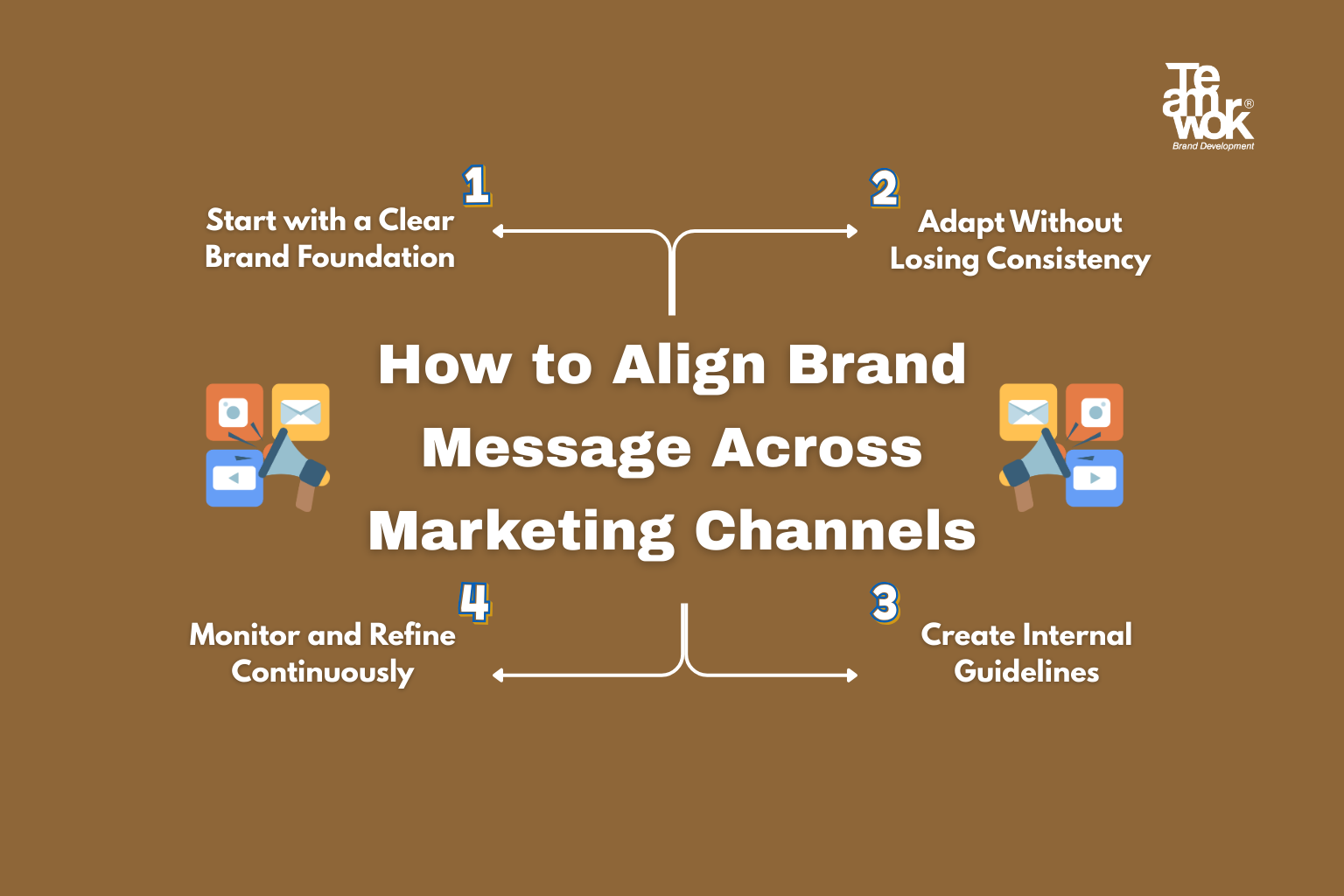
How to Align Brand Message Across Marketing Channels
In today’s digital landscape, brands communicate with their audience through multiple platforms at once. Social media, websites, advertising campaigns, email marketing, and offline materials all play a role in shaping how people perceive a brand. However, when the message delivered across these channels feels inconsistent, it can confuse the audience and weaken trust. This is why aligning your brand message across marketing channels is essential for building a strong and recognizable presence.
Why Brand Message Alignment Matters
A clear and consistent brand message helps audiences understand who you are, what you offer, and why they should choose you. When messaging differs between platforms, people may struggle to connect the dots. For example, a brand that appears professional and premium on its website but casual and promotional on social media may unintentionally create mixed perceptions.
Aligned messaging creates familiarity. Familiarity builds trust. And trust increases the likelihood of engagement and conversion. In short, consistency strengthens brand credibility and improves marketing effectiveness.
Start with a Clear Brand Foundation
Before aligning messages across channels, brands need a strong foundation. This includes defining your brand positioning, tone of voice, core values, and key messaging pillars. Without clarity at this stage, alignment becomes difficult because there is no reference point.
Ask simple but important questions:
- What does the brand stand for?
- Who is the target audience?
- What main problem does the brand solve?
- How should the brand sound when communicating?
These answers will guide communication across all marketing platforms.
Adapt Without Losing Consistency
Alignment does not mean using identical content everywhere. Each platform has different characteristics and audience behaviors. The goal is to maintain the same core message while adapting the format and delivery style.
For instance, a website may communicate detailed brand value, while social media focuses on relatable storytelling. Advertising campaigns may highlight specific offers, but still reflect the same brand personality and promise. The message remains consistent, even though the presentation varies.
Create Internal Guidelines
One practical step many businesses overlook is creating brand communication guidelines. This document can include tone examples, messaging frameworks, visual direction, and key phrases. It helps marketing teams, designers, and external partners stay aligned when producing content.
When everyone works from the same reference, consistency becomes easier to maintain.
Read More : The Role of Audience Insight in Effective Campaigns
Monitor and Refine Continuously
Alignment is not a one time task. As campaigns run across different channels, brands should evaluate whether the messaging feels connected and clear. Audience feedback, engagement data, and campaign performance can provide insight into what works and what needs adjustment.
Brands that regularly review their communication tend to maintain stronger positioning over time.
Aligning brand messages across marketing channels is not just about consistency. It is about clarity, trust, and long term growth. When audiences receive a unified message wherever they encounter your brand, it creates confidence and strengthens relationships.If your brand communication feels fragmented or inconsistent, it may be time to take a more strategic approach. Teamwork Brand Development can help define your brand foundation, align messaging across platforms, and ensure every marketing effort works toward the same business goals. Contact our team today to start building a more connected and impactful brand presence.
